
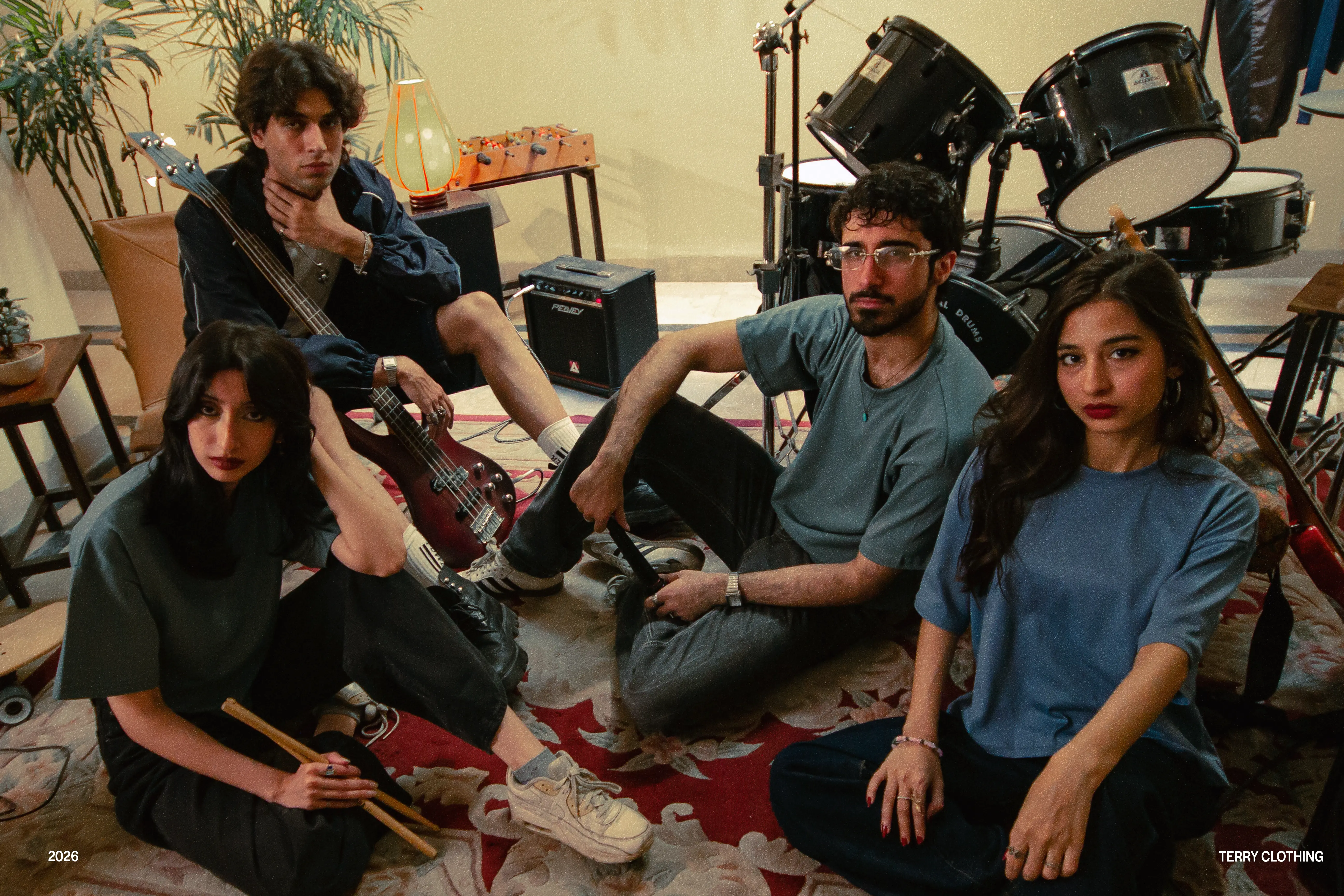
The Terry Story: From NUST to Side B
Read the storyThe Foundation: A Shared Vision at NUST
Terry started in the summer after the founders’ 5th semester at NUST. While many of their peers were pivoting toward digital startups and apps, Omer, Subhaan, Zain, and Talha felt a different pull. Omer believed in building a commodity business—something tangible that could be held, sold, and experienced. As a group, they were deeply interested in fashion and noticed that the fits and silhouettes trending internationally often took years to reach Pakistan, only to be sold at inflated prices by major brands.
They decided to bridge that gap themselves. Although they lacked industry experience, they had a strong team dynamic. Subhaan handled design, Talha managed operations and finance, Zain leveraged his production network and industry contacts, and Omer led marketing efforts.
The first attempt was a disaster.
The journey officially began in October 2024. The team traveled to Faisalabad to source fabric for a winter drop, despite winter already being well underway. Sitting at Islamabad’s well-known “Islo Point,” they discussed their vision and plans for the brand. Eventually, they connected with a vendor specializing in international leftover fabrics from brands such as Zara and Boss. With little knowledge of sourcing, they were drawn to a particular terry fabric in beige and brown that looked premium and felt substantial. Confident in their instincts, they purchased the rolls on the spot without requesting samples.
That evening, while sitting on the lawn of Zain’s house in Faisalabad, they realized that since their first fabric was terry, the brand name should be Terry as well.
The optimism did not last. Delays in finalizing size charts and compromises from the factory they selected began to create problems. Only later did they fully understand what they had purchased: the fabric weighed 540 GSM. It was so heavy that the manufacturer became frustrated because it was literally breaking industrial sewing needles. Between inconsistent production quality and the fact that the inventory arrived in late January, when winter was already ending, the team had to confront reality. Terry was put on hold while they completed their final semester at NUST, and the experience became a valuable lesson in what not to do.
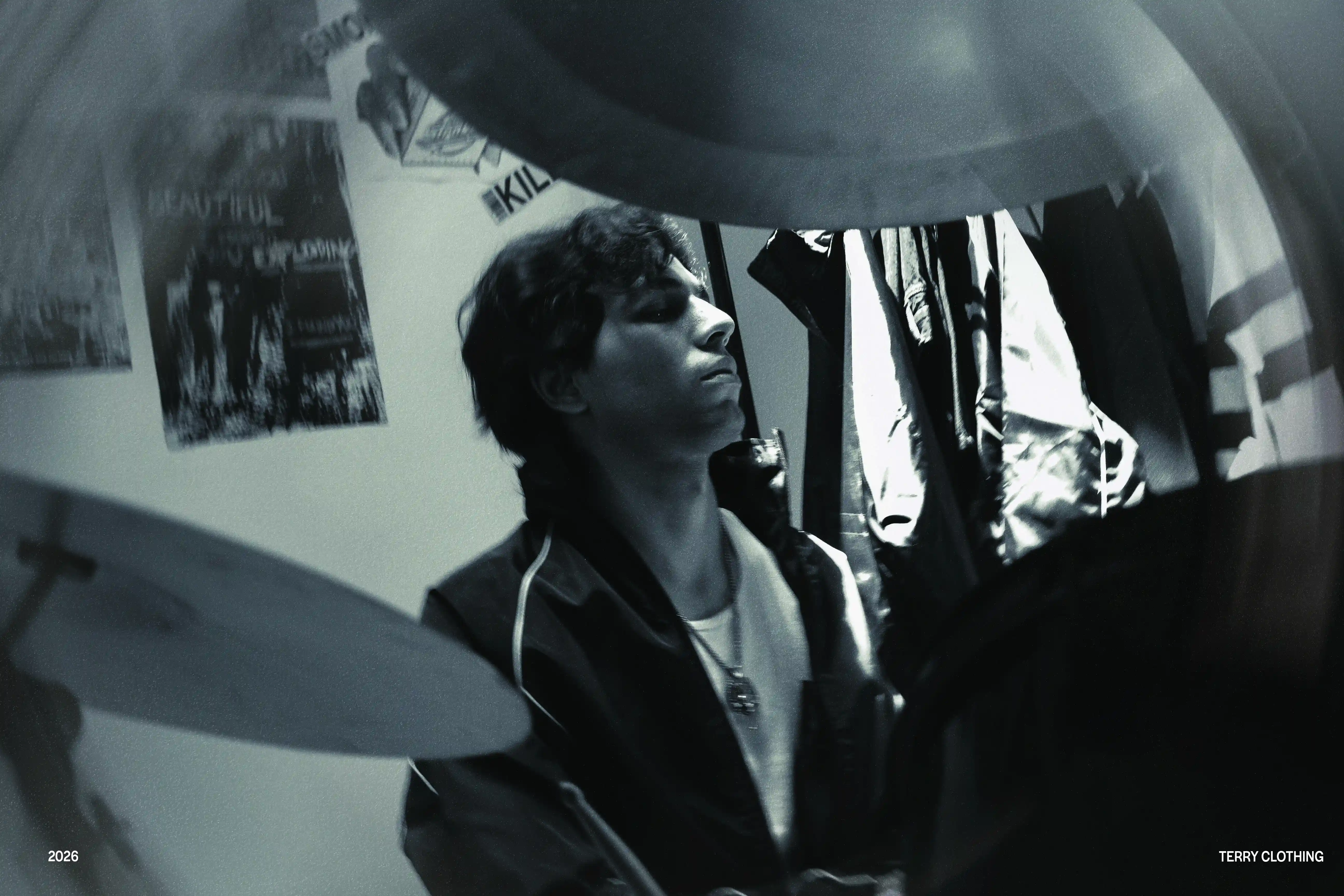
Six months later, they came back and did it properly.
Once the semester ended, Terry returned. This time, the founders approached the process differently. They meticulously sampled their first collection, the “Inception” drop. Rather than repeating past mistakes, they worked on winter inventory during the summer months. The hero products—jackets designed by Subhaan—went through three rounds of sampling before the team was satisfied.
Operating in Pakistan required navigating constant delays, shifting commitments, and manufacturing challenges, but they persevered. When the collection finally launched, the response exceeded expectations. Customers connected with the quality, fit, and attention to detail that the team had spent months refining.
That is where Side B came from.
Through the Inception drop, the founders realized that streetwear was the category that resonated most deeply with them. The idea for Side B emerged from that realization. In the world of vinyl records, Side B is the flip side—the side often considered rougher, rawer, and more authentic. It represents people who are unapologetically themselves.
But the Terry story does not end with a single collection. Whether it is Side B or whatever comes next, the foundation remains unchanged: a group of friends from Islamabad obsessed with premium fabrics, thoughtful silhouettes, and meaningful design. As the brand evolves and expands into new collections, Terry will continue to embody the same raw energy that inspired its beginnings—learning from setbacks, embracing the process, and remaining committed to bringing the best of global streetwear to local streets.